 Animals
The animals of Plaiul Cucului — bison, alpacas, ponies, emus and their stories
Discover the animals of Plaiul Cucului in Tărcaia: American bison, alpacas, llamas, ponies, emus, deer, Hungarian Grey cattle and other animals that give the park its identity.
The animals of Plaiul Cucului are at the centre of the experience the park in Tărcaia offers to families and children. This is not merely a list of species, but a place where visitors can observe animals that are very different from one another: from massive American bison and Hungarian Grey cattle to alpacas, llamas, ponies, fallow deer, emus, rabbits and guinea pigs.
The official Plaiul Cucului website presents the park as a space created to bring people, animals and nature closer. The idea is not to race from enclosure to enclosure, but to slow down, observe and spend time outdoors. That is why, for families looking for an animal park in Tărcaia or animals for children in Bihor, the experience has a different character from simply visiting a collection of species.
American bison — the presence that dominates the landscape
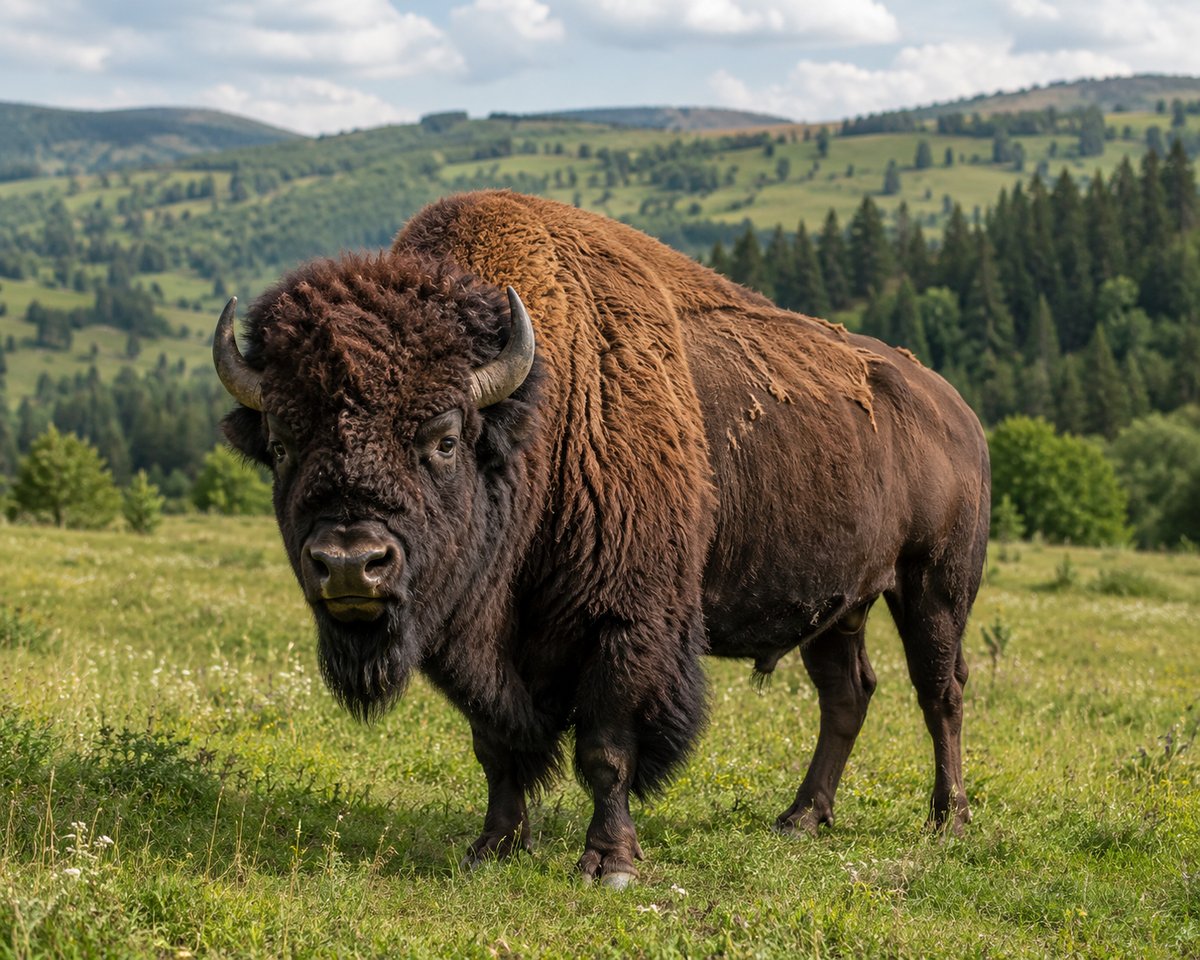
American bison are among the most impressive animals publicly presented by Plaiul Cucului. They are massive and easy to recognise because of the powerful front of the body, large head and dense coat. For many children, seeing a bison in real life feels completely different from seeing one in a book or on a screen.
When someone searches for bison in Bihor, Plaiul Cucului is one of the local experiences where they can observe the species in an outdoor park context. Zeno, one of the bison shown in the project's local photo collection, has also become one of the recognisable images of the animal section.
Children notice details adults often overlook: the size of the head, the way the animal walks, reactions to other bison and the texture of the coat. A visit naturally becomes a lesson about behaviour, scale and differences between species known previously only from drawings.
Alpacas and llamas — among children's favourites
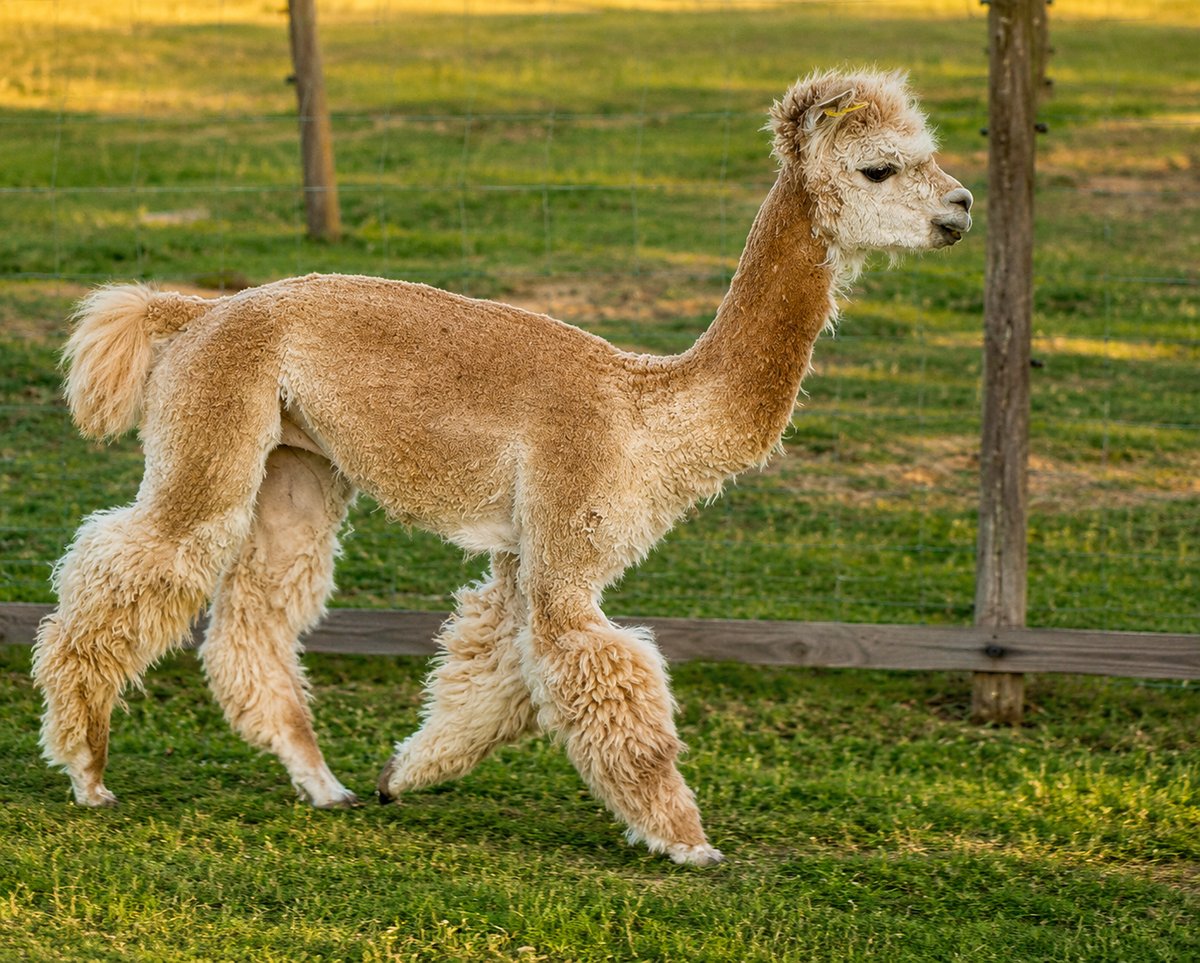
Alpacas and llamas are among the animals explicitly highlighted by Plaiul Cucului as family favourites. Their expressive appearance and curious behaviour make them easy to watch, while the differences between the two can start simple and interesting family discussions.
If you reached this page searching for alpacas in Bihor, the Tărcaia experience is more than a quick photograph beside an animal. Watch body shape, ear position, wool texture and the way the animals interact. These details turn the visit into a real observation experience for a child.
The local blog gallery already includes the image of Luna the alpaca, and as the project's photo collection grows, individual animal stories can complement this general presentation.
Ponies — familiar animals that remain attractive to children
Ponies have a special advantage in a family park: children recognise them immediately. They need no complicated explanation to create interest, and their smaller size makes them feel more approachable than a large horse. That is why the idea of ponies for children in Bihor captures one reason families enjoy animal outings.
Watching a pony also creates a good opportunity to talk about domestic-animal behaviour, food, care and responsibility. Even without direct interaction, simply being close visually helps children understand the difference between a real animal and its representation in cartoons or games.
Emu — one of the park's surprises
An emu attracts attention because it is very different from birds children see every day. It is a large flightless bird with strong legs and a distinctive way of moving. Plaiul Cucului includes emus and other birds among the species presented to visitors.
For children, an emu immediately triggers questions: why does it have wings if it cannot fly, how fast can it run, what does it eat and where does it live naturally? These are exactly the kinds of questions that give an animal outing educational value without making it feel like a formal lesson.
Fallow deer — elegance and quiet observation
Fallow deer bring a completely different presence to the landscape. They are more discreet than bison and their behaviour makes them interesting to observe from a distance. The official site includes them among the animals visitors can discover in the park.
For a child, the differences between deer, roe deer and other cervids may be unclear before seeing them. Direct observation helps with body shape, antlers and the way the animals move or stay in groups.
Hungarian Grey cattle — a heritage breed with a striking appearance
Plaiul Cucului also publicly presents Hungarian Grey cattle, a breed that immediately attracts attention with its horns and robust appearance. For visitors who associate animal parks only with exotic species, heritage breeds are important: they show that the value of an animal collection does not come only from how exotic something looks.
Such animals also open discussions about livestock in Central and Eastern Europe, adaptation to environment and the role of local or historic breeds in rural communities.
Rabbits and guinea pigs — small animals children observe differently
After a bison or a spectacular horned animal, children can spend just as long beside a rabbit. Rabbits and guinea pigs are part of the animal world presented by Plaiul Cucului and have an important role especially for the youngest visitors.
Their small size allows different details to be observed: ears, whiskers, the way they eat or hide. It is a good example of why variety matters in an animal park: a child's fascination is not proportional to the animal's size.
Domestic, exotic and heritage animals in one place
One characteristic of Plaiul Cucului is the combination of very different animals. The official site describes the collection through three directions: domestic animals, exotic animals and heritage breeds. This gives the park a broader profile than one built around a single category.
During one visit, a child can move from bison to alpaca, from deer to pony and from emu to small animals. The sequence makes comparison natural: mammals and birds, fur and feathers, massive species and very small species.
Why observing animals is valuable for children
An animal outing does not need to become a course. Children learn a great deal simply by having time to observe. Questions appear spontaneously: “Why is it standing there?”, “Why does it have horns?”, “Why can't it fly?”, “What does it eat?”, “Is it young or adult?”.
Parents do not need to know every answer. Sometimes it is more useful to look up the information together later. The visit provides the starting point, and the child's curiosity continues after leaving the park.
Plaiul Cucului describes its experience as putting nature before screens. For a family, this may be one of the simplest benefits of a day here: there are enough real things to watch that the phone becomes less interesting for a while.
How to visit the animals without rushing
With children, do not decide in advance that you must spend the same amount of time at every animal. A child may walk quickly past one area and then stay ten minutes watching an emu or rabbit. Let the rhythm of the visit be influenced by what catches their attention.
The official site describes Plaiul Cucului as a place for walking among animals, relaxing in nature and spending time without hurry. The experience can therefore be better if you do not combine it with too many other attractions in the same half-day.
Respect for animals is part of the experience
Children can quickly learn a few simple rules: animals should not be frightened, shouted at or disturbed for a photograph. Feeding should happen only where it is allowed and in the form indicated by staff. An animal that moves away should not be forced to approach.
These rules do not reduce the fun. They help children understand that animals are not toys. An animal park can be one of the best places to introduce responsibility toward living beings.
Plaiul Cucului and the symbolic adoption programme
For visitors who want to support animal care and the project over a longer period, Plaiul Cucului has a symbolic adoption programme. Adoption does not transfer ownership of the animal; it is a way of supporting care and the park's work.
There is also a donation page for anyone who wants to support the project without choosing a symbolic adoption. The link between visiting, animals and supporting the project remains transparent and optional.
How to prepare a visit to Plaiul Cucului
Plaiul Cucului is in Tărcaia, Bihor County. The official site publishes weekend opening information, prices and contact details, but recommends checking before departure because seasonal changes or special events can occur.
Advance booking is recommended for organised groups, schools and kindergartens. If this is your first visit, check the current visit information before you leave.
What else can you do in the area after the visit?
Plaiul Cucului can be the centre of a day in Beiuș Land, but it does not have to be the only stop. With more time, continue toward Beiuș, Finiș, Meziad or other points in southern Bihor. For wider routes open How far does the Cuckoo fly?, where places and experiences from Bihor are connected.
If you want a ready-built route, the blog also includes Tărcaia and nearby places and Beiuș Land. They complement this article without repeating the animal descriptions.
Frequently asked questions about the animals of Plaiul Cucului
What animals can I see at Plaiul Cucului?
The official site presents American bison, llamas and alpacas, fallow deer, Hungarian Grey cattle, ponies, rabbits, guinea pigs, emus and other birds, together with other park animals.
Are there bison in Bihor that children can see?
Yes. Plaiul Cucului in Tărcaia presents American bison, one of the emblematic species of the park.
Can I see alpacas in Bihor?
Yes. Alpacas and llamas are among the animals publicly presented by Plaiul Cucului and are described by the park as family favourites.
Is Plaiul Cucului suitable for small children?
Yes. The park officially presents itself as a destination for families, children and educational groups, and the pace of a visit can be adapted easily.
Do I need to book?
Ordinary visitors should check the current opening schedule. Advance booking is recommended for organised groups, schools and kindergartens.
Can I symbolically adopt an animal?
Yes. Plaiul Cucului has a symbolic adoption programme through which you can support animal care and the project.
Conclusion: every animal gives the place a different story
The animals of Plaiul Cucului together form the identity of the park. Bison bring strength and presence, alpacas and llamas attract children's curiosity, ponies create familiarity, emus bring surprise, and deer, heritage cattle and small animals complete the experience.
What makes the visit memorable is not only the number of species. It is the fact that you can spend a few hours outdoors, let children observe at their own pace and turn a simple outing into an experience about nature and respect for animals. If you want to see the place directly, start with the Plaiul Cucului page and check current information before your visit.